Senior Housing: Your Path to Relaxation and Community
Senior living communities offer essential support for older adults, creating environments that encourage both comfort and connection. These communities provide diverse options tailored to various needs, from independent living to specialized care. Residents benefit from structured services and engaging activities that enhance well-being. However, choosing the right community can be challenging. Understanding the various types and benefits available is vital for making an informed decision. What factors should one consider in this important change?
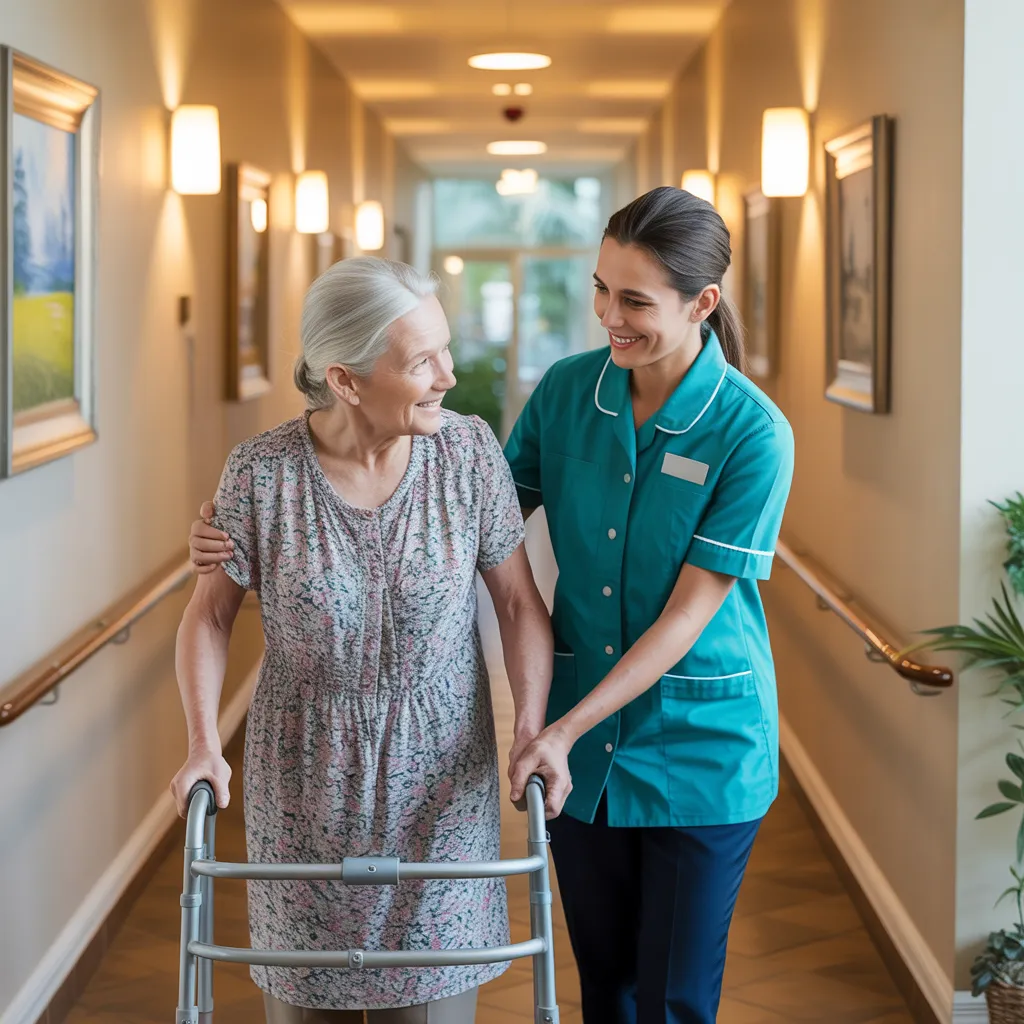
Why choose Senior Living Communities?
Choosing senior living communities can greatly enhance the quality of life for older adults, especially as they look for companionship and support. These communities provide a structured environment that encourages social interaction, reducing feelings of loneliness and isolation. Residents can participate in various activities, from fitness classes to cultural events, promoting physical and mental well-being.
Moreover, senior living facilities often offer essential services such as meal preparation, housekeeping, and healthcare assistance, allowing residents to focus on enjoying their lives rather than managing daily chores. Safety is another vital factor; these communities typically feature secure environments and staff available to address emergencies.
Additionally, the feeling of belonging present in these communities can greatly improve emotional health. Residing among peers with shared experiences and interests enables older adults to build meaningful relationships, which enhances their overall happiness and life satisfaction.
Understanding the diverse categories of Senior Living
Within the realm of senior living, several options meet the diverse needs of older adults. Independent living gives a vibrant, self-sufficient lifestyle, while assisted living extends help for those who require extra aid with daily activities. Grasping these distinctions is important for making wise choices about senior care.
Independent Living Options
Numerous seniors strive to preserve their independence, and there is a variety of living options available to help their lifestyle needs. Independent living communities grant seniors the chance to live autonomously in a friendly atmosphere. These communities often provide amenities such as leisure activities, dining services, and housekeeping, promoting a sense of community while allowing residents to maintain their personal freedom. Alternative options include senior apartments, which focus on offering age-appropriate features without extensive communal services. Additionally, co-housing arrangements permit seniors to cohabit and share responsibilities, fostering camaraderie. Each option caters to different preferences and financial situations, allowing seniors to pick the best fit for their preferred level of independence and engagement.
Guided Accommodation Types
Assisted living options meet seniors who require various levels of support while still valuing their independence. These facilities generally include a variety of services to cater to diverse needs. For instance, personal care homes provide basic support with daily activities like bathing and dressing. Memory care units focus on assisting individuals with Alzheimer’s or other dementia forms, ensuring a safe environment adapted to cognitive needs. Adult day care centers offer temporary supervision and socialization during the day, allowing caregivers respite. Finally, residential care communities combine housing with tailored services, enhancing a sense of community. Each kind of assisted living works to improve quality of life while promoting autonomy and dignity for seniors.
The Leading five Benefits of Senior Living Communities
Opting for a retirement residence can greatly improve the quality of life for older adults, as these environments are designed to foster social connections and provide essential support. One significant benefit is the community feeling, which helps reduce feelings of isolation. Residents join various social activities, facilitating friendships and shared experiences.
Another benefit is availability of personalized care, ensuring that individuals receive the assistance they need while preserving independence. Additionally, many senior living communities offer amenities such as fitness programs and wellness activities that encourage a healthy lifestyle.
Safety is also a priority, with elements such as emergency aid technologies and safe places. Ultimately, maintenance-free living permits residents to spend their time freely without the burdens of home maintenance. Altogether, these benefits contribute to a satisfying and enriching way of living, making senior living communities an appealing option for older adults.
A Guide to Selecting the Right Senior Living Community
In what way can someone determine the most suitable senior living community for themselves or a loved one? The first step is to review individual needs, including health care requirements, mobility, and personal preferences. It is critical to evaluate the types of services available, such as assistance with daily activities, medical support, and transportation.
Location also is an important role; close proximity to family, friends, and key amenities can enhance quality of life. Visiting potential communities allows for direct experience of the environment, staff interactions, and available facilities.
Budget elements are necessary, since prices vary widely across communities. Being aware of what is accounted for in the fees can prevent unexpected expenses.
Lastly, obtaining recommendations from healthcare professionals or trusted acquaintances can offer valuable insights. By taking these aspects into account, one can make an informed decision that fits their lifestyle and needs, ensuring a comfortable and stable living environment.
Community Gatherings within Assisted Living Facilities
Within senior living communities, social interaction chances serve an important role in enhancing residents' life quality. Activities designed for well-being and fitness not only benefit residents' health but also promote connections among residents. As a whole, these elements create a vibrant atmosphere that fosters engagement and community bonding.
Social Interaction Opportunities
A vibrant selection of social engagement opportunities enriches the experiences of seniors in shared housing. These events encourage relationships, letting residents to form companionships and exchange experiences. Regular gatherings, such as themed dinners, gaming sessions, and craft lessons, offer opportunities for communication, helping to combat experiences of loneliness. Group trips to local destinations encourage discovery and pleasure of the local area. Volunteer initiatives also encourage seniors by enabling them to contribute their time and expertise, building a sense of purpose. Additionally, clubs built around activities like gardening or reading groups enable residents to connect over shared interests. Through these multiple find here options, seniors enjoy enhanced emotional balance and a boosted sense of community within their community.
Fitness and Training Regimens
Numerous wellness and exercise programs play an vital role in improving the health and liveliness of seniors in community living. These programs are designed to accommodate various fitness levels, making sure that all residents can participate. Activities such as yoga, water aerobics, and light strength training support physical health while also promoting flexibility and balance. Many communities offer group classes, fostering social interaction and camaraderie among participants. Additionally, wellness initiatives often include informative sessions on nutrition and mental health, empowering seniors to make educated lifestyle choices. By focusing on both physical fitness and overall well-being, these programs contribute to a vibrant and engaged community, in turn improving the quality of life for seniors living in these environments.
Ways to move comfortably to Senior Living
How does one handle the often sensitive journey of moving to senior living? Transitioning to a new environment can be hard, but planning and support can ease the process. First, it is crucial to visit potential communities, which lets individuals visualize their new home and review the amenities available. Bringing family members into discussions can build emotional support and help lessen anxieties.
Next, minimizing belongings is necessary. Sorting through possessions can be a cathartic experience, allowing individuals to keep precious items while shedding excess. Including friends or family in this process can make it more convenient.
Developing a habitual schedule in the new community can also aid adjustment. Taking part in social activities and exploring wellness initiatives can establish connections and nurture a feeling of acceptance. Ultimately, embracing the change with an accepting heart can lead to a fulfilling and vibrant life in senior living.
Commonly Posed Questions
Understanding the Mean Price of Elderly Housing Communities
Senior living communities generally have an average price ranging from $2,000 to $6,000 monthly, varying significantly with respect to location, amenities, and the amount of care given, making budgeting essential for prospective residents and their families.
How can I manage transporting possessions to a Senior Living Community?
To manage moving belongings to a senior living community, one should make a detailed inventory, categorize items by importance, enlist help from family or professionals, and consider downsizing to suit the new space effectively.
Do Immediate Relatives Have the Ability Call on Residents in Senior Living Communities?
Yes, family members are able to call on residents in senior living communities. Many establishments encourage these visits to support residents' emotional health, frequently offering designated visiting hours and spaces to facilitate meaningful interactions between residents and their loved ones.
Are animals allowed in senior living facilities?
A lot of senior living communities do accept pets, fostering companionship and emotional support. Nevertheless, rules concerning pet types, sizes, and amounts vary, so interested residents should verify regulations before making a choice.
What Protection Procedures Are Implemented in Senior Living Facilities?
Senior living communities typically implement various precautions, including emergency response systems, secure entry points, regular safety drills, accessible layouts for mobility, and trained staff available around the clock to guarantee residents' well-being and security.