Tailored Senior Care Services: Your Guide in Aging Gracefully
Tailored senior care services serve as a crucial part in supporting older individuals as they grow explore now older. These programs focus on individual choices and requirements, offering essential help that boosts both independence and health. With choices varying from social support to specialized medical services, loved ones often encounter difficulties in choosing the appropriate approach. Comprehending the different elements of customized support can contribute to significant enhancements in quality of life for seniors. What factors should one consider when choosing a service provider?
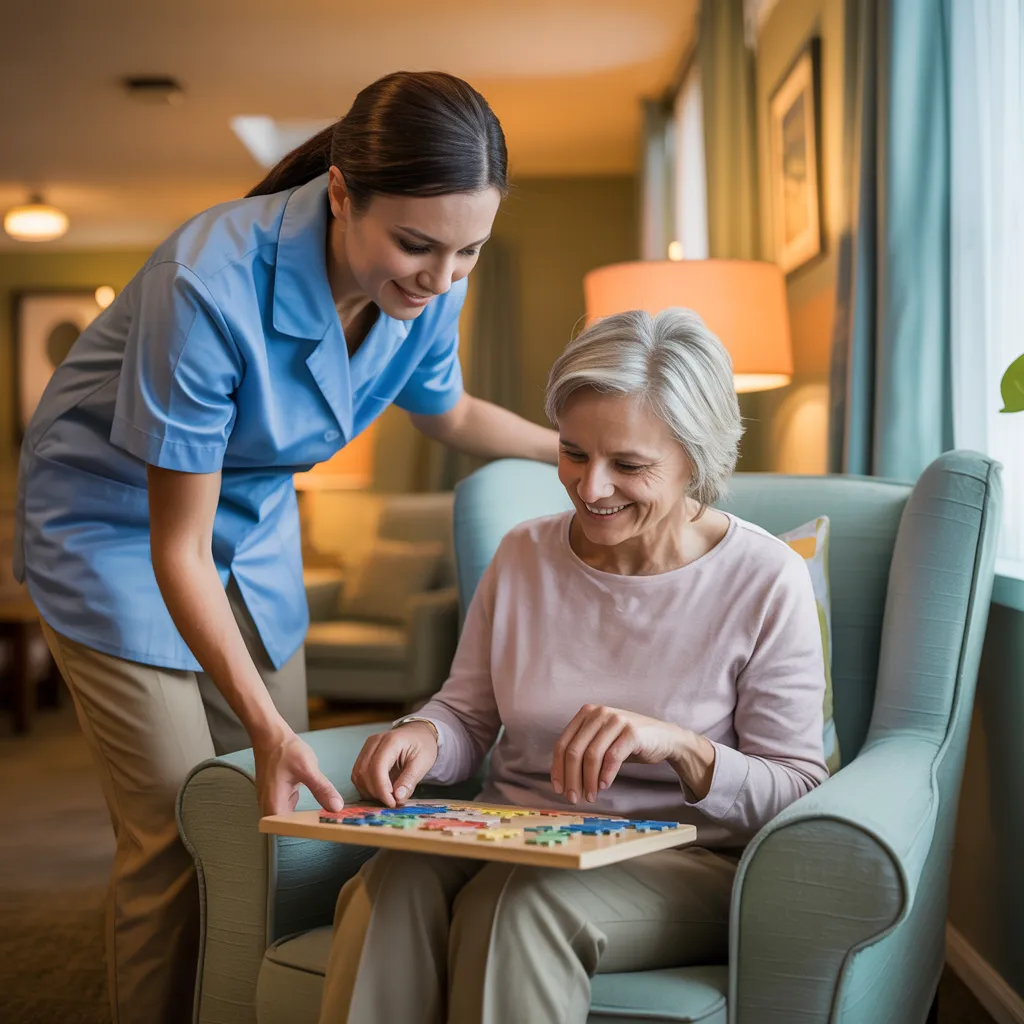
Understanding Customized Elderly Care Solutions
Personalized care can involve provision of daily living help, health tracking, and social connection, all designed to bolster autonomy and honor. By giving attention to the individual, caregivers can encourage a sense of belonging and purpose, which is necessary for psychological health. In addition, these programs often modify as time passes, responding to the changing requirements of older adults. This flexibility makes possible periodic evaluation and adjustment, confirming that care remains relevant and impactful. Ultimately, personalized senior support involves enhancing the complete quality of life of older adults in a dignified and understanding fashion.
Categories of Tailored Senior Care Services
Personalized senior care offerings encompass a variety of options customized to address personal requirements. Key types feature in-home care services that provide support within the convenience of one's home, as well as targeted medical care developed for specific health issues. These offerings aim to improve the standard of living for seniors, guaranteeing they get the suitable assistance.
Domestic Care Selections
As households aim to assure their dear ones gain the best possible care, various domiciliary care options surface to satisfy diverse needs. Companion care services furnish affective support and social engagement, helping seniors tackle loneliness while assisting with daily activities. Personal care aides concentrate on hygiene and locomotion assistance, warranting safety and comfort in a familiar environment. For those needing more assistance, homemaker services offer help with household tasks such as cleaning, cooking, and laundry, letting seniors to sustain their independence. Respite care affords interim relief for primary caregivers, offering much-needed breaks while ensuring continuity of care. Each option highlights personalized attention, letting families to choose the level of support that aligns with their loved one's unique requirements.
Expert Health Services
Traversing the intricacies of aging often calls for specialized health services customized to meet the distinct medical needs of seniors. These services deliver a range of offerings, such as geriatric assessments, chronic disease management, and physical therapy. Geriatric assessments evaluate an individual's overall health, spotting specific needs and interventions. Chronic disease management targets conditions like diabetes or heart disease, providing ongoing support and education to guarantee ideal health outcomes. Physical therapy helps seniors regain mobility and strength, enhancing their quality of life. Additionally, mental health services address emotional well-being, offering counseling and support groups. By combining these specialized services, seniors can navigate their health journeys with greater assurance and support, ultimately promoting a more graceful aging process.
Vital Gains of Tailored Senior Care
Tailored elderly care offers remarkable benefits through person-centered plans that meet individual requirements. This adaptation fosters improved medical outcomes and also improves the overall quality of life for older adults. By centering on the unique requirements and choices of every individual, tailored support establishes a nurturing setting favorable toward wellness.
Personalized Treatment Programs
An expanding number of aged care organizations are recognizing the significance of tailored care plans, which respond directly to the distinct requirements and wishes of each individual. These customized programs review various aspects, comprising medical history, physical capabilities, and emotional well-being, making certain that care is not only impactful but also respectful of the senior's lifestyle and wishes. By engaging family members and caregivers in the planning process, these services build a collaborative approach that strengthens satisfaction and compliance. In addition, tailored care plans can transform, reflecting changes in health status or personal preferences, thereby providing ongoing support. This customized focus helps seniors retain self-direction while getting the care they require, ultimately contributing to more meaningful and fulfilling experiences.
Optimized Quality Of Life
Numerous studies demonstrate that personalized senior care significantly enhances the quality of life for older adults. By focusing on individual needs, choices, and lifestyles, these services encourage physical, emotional, and social well-being. Tailored care plans can lead to better health outcomes, as they often include customized nutrition, exercise, and medication management. Additionally, personalized attention builds meaningful relationships between caregivers and seniors, lessening feelings of isolation and loneliness. This supportive environment encourages active engagement in daily activities, enhancing mental stimulation and overall happiness. Ultimately, personalized senior care not only addresses medical needs but also enriches the emotional and social dimensions of aging, allowing older adults to thrive and maintain their dignity.
Selecting the Ideal Elder Care Provider
How can families ensure they select the most appropriate senior care provider for their loved ones? The process begins with comprehensive investigation. Families should assess candidate facilities based on credentials, experience, and care services provided. Reviewing online reviews and testimonials can provide valuable insights into the quality of care.
Afterwards, arranging consultations enables families to pose specific questions, guaranteeing that the provider's values and methods match with their family member's needs. It is essential to assess the care setting's environment and staff interaction, as these elements greatly influence the quality of care.
Moreover, validating proper licensing and accreditation can assist families determine the provider's dependability. Understanding the cost structure and available financial options is equally important to avoid unforeseen expenditures. Finally, choosing a senior care provider should involve a mix of extensive research and meaningful bond, ensuring that the chosen alternative supports the loved one's well-being and dignity.
Strengthening Self-Determination and Security for Aging Individuals
Moreover, modern solutions functions as a key element in strengthening independence. Systems such as medical alert systems and home monitoring solutions enable seniors to oversee their daily activities with confidence. Personalized care approaches, customized to individual needs, further support seniors in participating in hobbies and social engagements, cultivating a sense of purpose.
Furthermore, care providers deliver help managing daily tasks while encouraging seniors to participate as much as possible. This equilibrium of help and independence not only enhances safety but also fosters self-esteem, ultimately leading to a more satisfying and independent lifestyle for seniors.
Inspiring Stories: How Customized Care Enhanced Lives
Bespoke care has demonstrated transformative effects for seniors, highlighting the profound impact bespoke support can have on their lives. One notable case involves a 78-year-old woman called Margaret, who grappled with mobility and isolation. Following her enrollment in a tailored support initiative, she received assistance that included personalized fitness regimens and engagement activities. Several months later, Margaret reclaimed physical strength and assurance, allowing her to take part in community events.
Similarly, John, a 72-year-old veteran with memory challenges, benefited from one-on-one mental engagement exercises designed for his interests. His caregiver incorporated familiar themes from his military service, fostering meaningful conversations and reducing anxiety.
These examples show how individualized attention not only meets individual needs but also boosts psychological health. By adapting care to each senior's distinct needs, caregivers can greatly improve quality of life, allowing elderly adults to age gracefully and with dignity.
Common Questions Asked Often
How Are Customized Treatment Plans Created for Each Senior?
Individualized treatment strategies for seniors are created through comprehensive evaluations, including examinations of medical status, choices, and daily needs. Collaborating with healthcare professionals, families, and the seniors themselves guarantees customized assistance that promotes well-being and respect.
What Standards Must Care Professionals Maintain for Bespoke Services?
Caregivers must obtain appropriate credentials, such as CPR and first aid, paired with focused instruction in elderly care. Empathy, interpersonal abilities, and knowledge with multiple medical needs are vital for delivering quality individualized care.
In What Methods Can Families Remain Active in the Care Process?
Families can stay involved in the caregiving journey by participating in conferences, communicating regularly with caregivers, taking part in care planning, and participating in activities with their loved ones, fostering a collaborative and supportive environment for elderly individuals.
What Urgent Measures Exist for Aged Individuals Getting Support?
Emergency measures for mature individuals receiving care encompass rapid access to medical assistance, structured communication systems for caregivers, periodic protective training, and personalized crisis roadmaps calibrated to individual medical needs and preferences, providing expedited responses during crisis situations.
Is Personalized senior care assistance included in Insurance?
Personalized elderly care services may be partially paid by insurance, based on the plan. Benefits often varies by provider and specific services needed, so individuals should review their coverage policies for detailed information regarding eligibility and benefits.